
Route 666
Route 666 is a UI-driven horror game developed as a team project during my two-year Game Development: Programming program at Red River College Polytechnic. Inspired by monitoring-focused horror experiences such as Five Nights at Freddy’s, the game places the player in control of a bus interior where survival depends on managing time, surveillance, audio, and situational alerts through an in-world dashboard while responding to threats inside the bus and on the road.
The project was formed through a class-wide ideation and voting process, where students pitched multiple UI-focused game concepts before selecting final teams and ideas. Development was completed over a few weeks by a multidisciplinary team of four programmers and five artists.
Within the team, I was responsible for designing and implementing the game’s UI architecture, dashboard-driven interaction systems, audio systems, and reactive feedback. My work focused on building modular, reusable UI systems that could integrate cleanly with gameplay logic created by other programmers, while ensuring interactions remained immersive, readable, and responsive. Audio played a key role in reinforcing feedback and atmosphere, with systems designed to bridge sound and visuals through reactive elements such as lighting and in-world displays.
PRIMARY ROLES
I designed and implemented a modular main menu system composed of reusable widget blueprints, structured using parent-child relationships, event dispatchers, and widget switchers. This architecture allowed navigation, settings, and credits to be managed cleanly within a single menu container while remaining easy to extend or modify.
Menu transitions and state changes are driven through centralized logic and animation calls, ensuring consistent behavior and visual feedback across all menu screens. The main menu HUD also integrates ambient audio and an audio-reactive interior light flicker, reinforcing the game’s tone while maintaining clear separation between UI presentation and underlying systems.
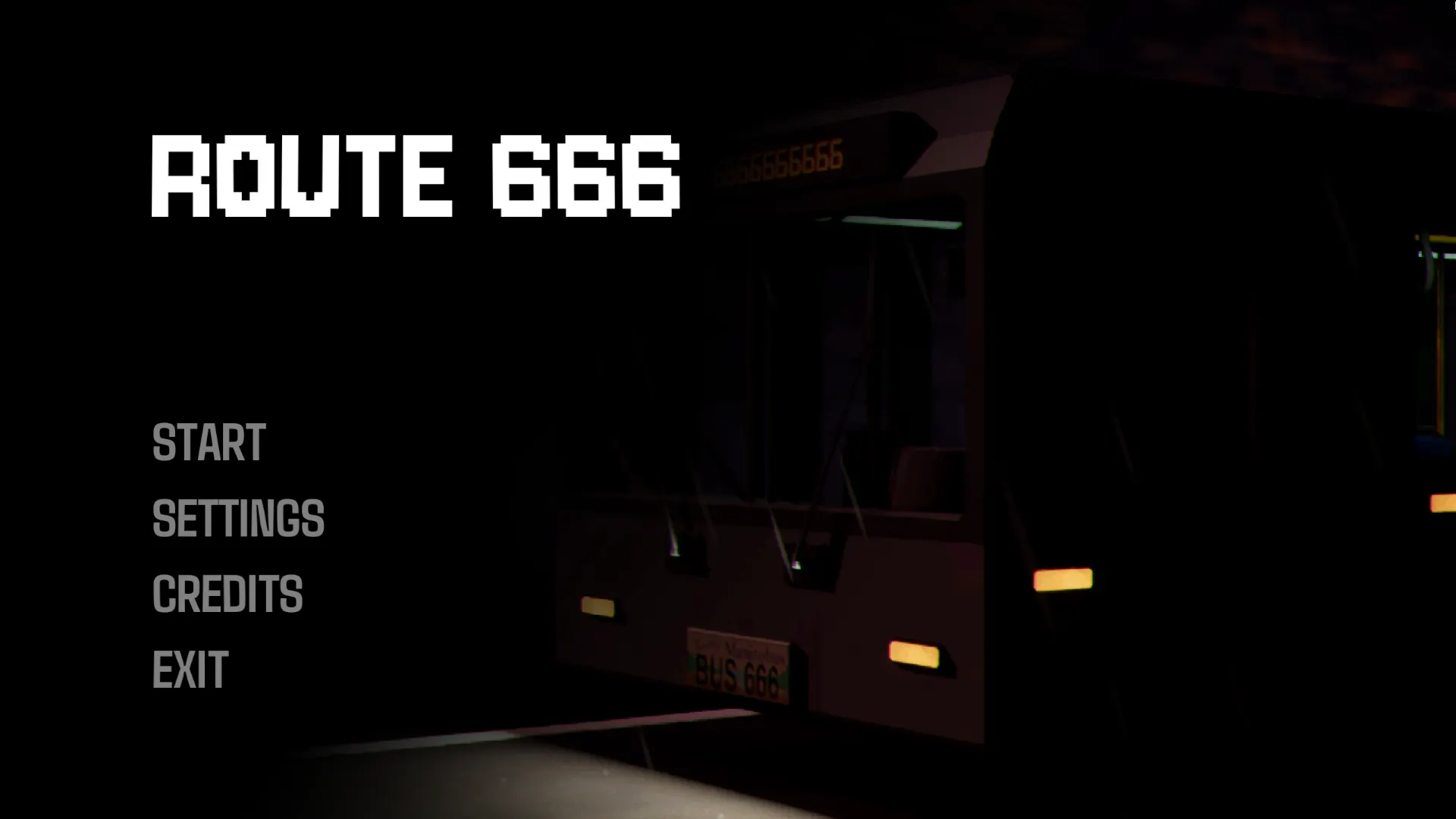
I implemented a complete video and audio settings system designed to mirror real-world game workflows while prioritizing usability and persistence. Video settings leverage Unreal Engine’s built-in Game User Settings, with deferred application logic to prevent disruptive changes during navigation and to allow players to preview options before committing them.
Audio settings were built using Sound Classes and Sound Class Mixes, with slider values persisted across levels and sessions via a custom Save Game system. Settings initialization is shared between the main menu and pause menu, ensuring consistent behavior regardless of when or where settings are accessed. Live audio previews provide immediate feedback when adjusting volume levels, improving clarity and player confidence.
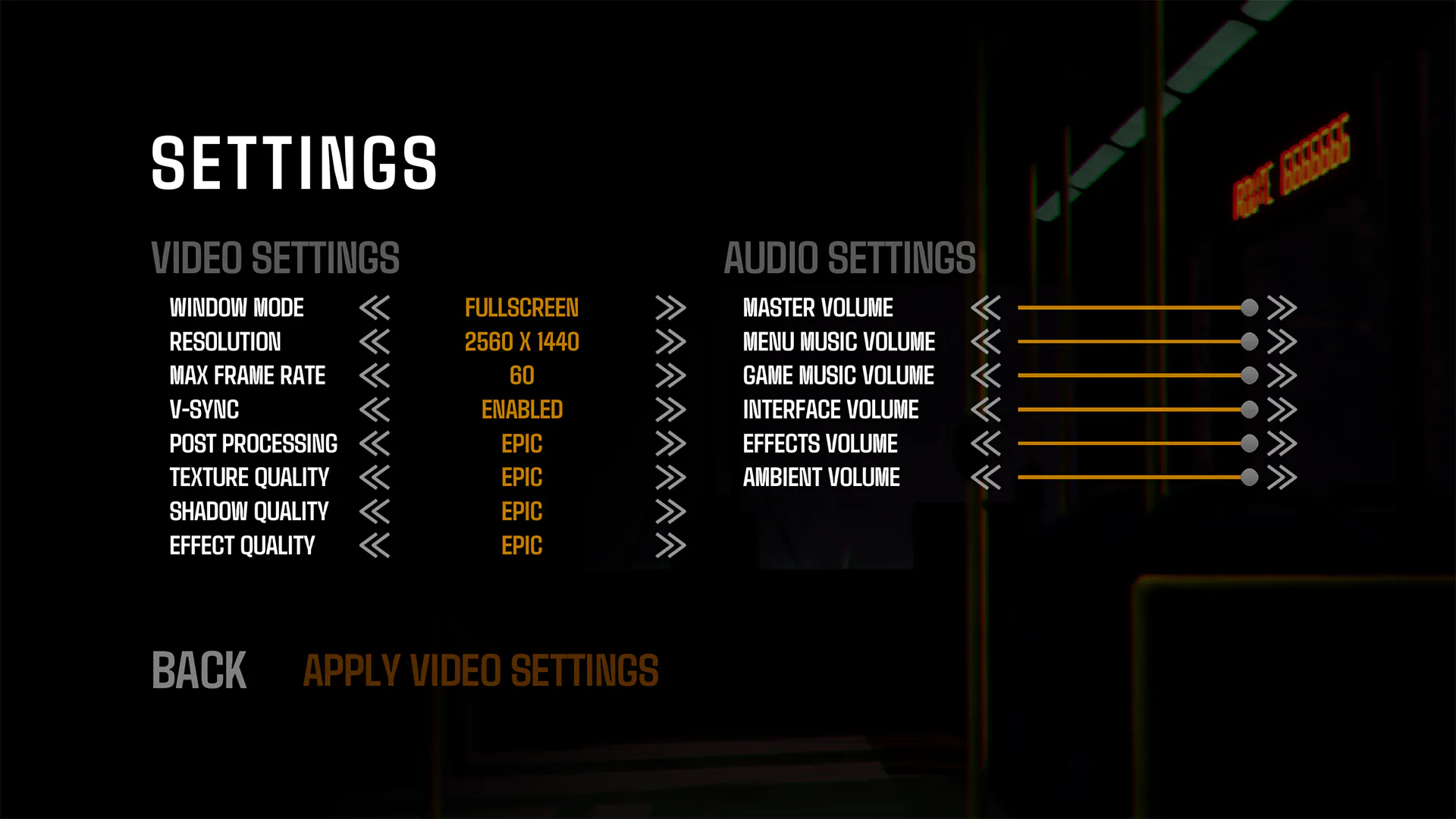
I pitched and prototyped the dashboard as the game’s primary gameplay control surface, inspired by UI-driven horror experiences where player interaction is focused on monitoring systems and passenger movement. Nearly all player actions are routed through the dashboard, including time tracking, radio control, camera access, and situational alerts. The dashboard acts as a central UI integration layer, reflecting and driving gameplay systems implemented by other programmers on the team, including progression, surveillance, and threat feedback. This system also served as the integration point for progression logic, with the time display reflecting the player’s survival state.
Interactive dashboard elements are presented as world-space visuals paired with a screen-space widget overlay containing invisible buttons aligned to physical controls within the environment. This approach allowed standard UI input to drive in-world systems while maintaining immersion. Careful alignment, centered pivots, and camera-aware layout decisions ensured consistent usability across different resolutions and window sizes.
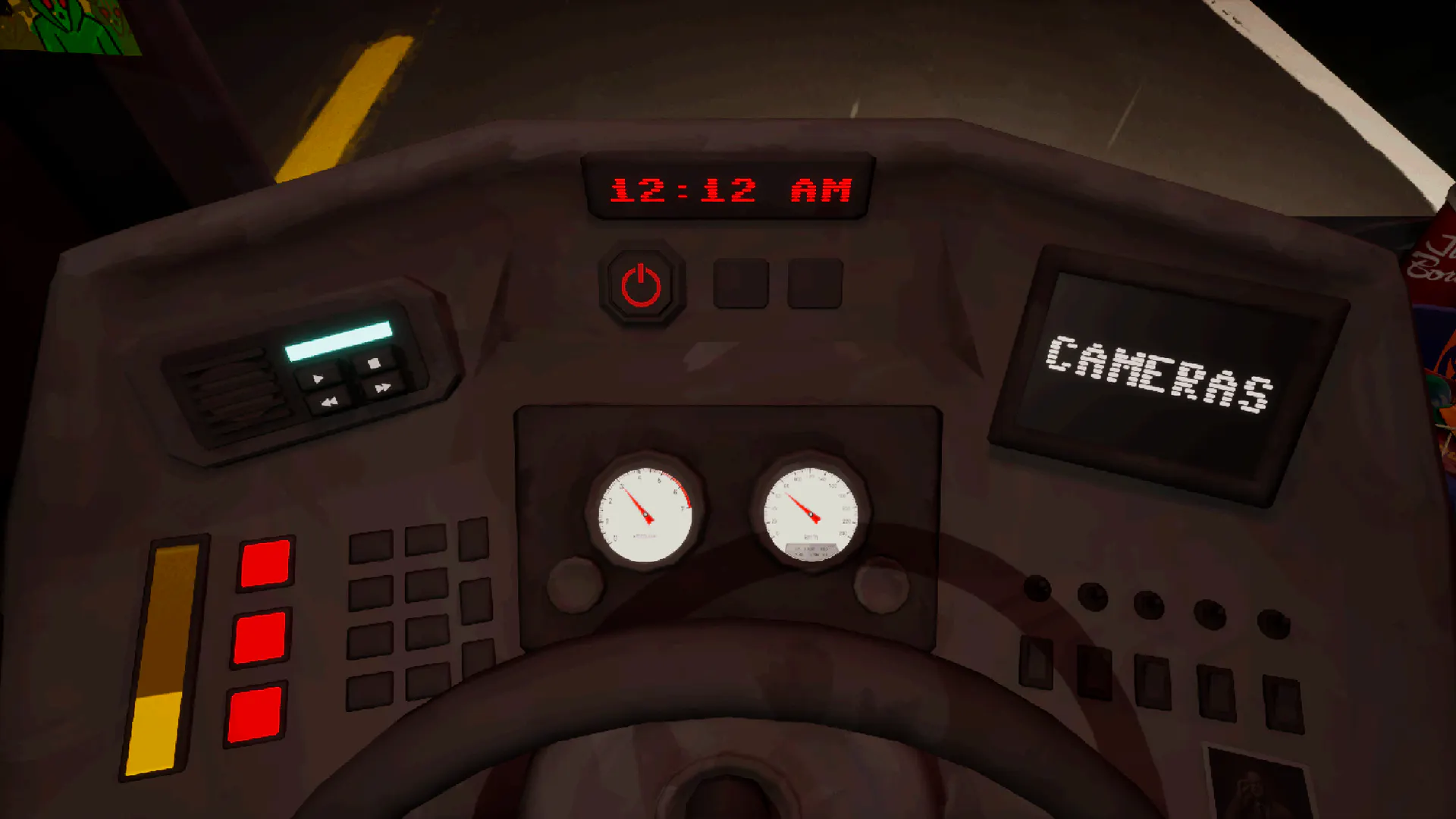
I designed the audio systems in Route 666 to reinforce feedback, atmosphere, and immersion across both gameplay and UI. I implemented all sound effects and music, supported by a structured Sound Class hierarchy and Sound Class Mixes to enable player-controlled audio settings. Selective spatial audio was applied to world elements such as road events and the bus radio, while UI sounds and ambient effects remained unattenuated for clarity.
I also implemented a reusable audio-reactive system using amplitude envelope analysis to drive visual feedback across multiple contexts, including interior light flicker in the main menu and reactive emissive screen material on the bus radio.
I designed and implemented the in-game bus radio as a multi-purpose system for immersion, onboarding, and audio feedback. The radio serves as the player’s introduction to the game’s audio systems, including tutorial narration, music playback, and reactive visual feedback tied directly to sound amplitude.
Radio interaction is handled through dashboard-aligned UI, with invisible widget buttons driving both audio logic and physical mesh movement to simulate button presses and hovers. Track switching triggers radio-filtered music playback accompanied by static transition effects, reinforcing the feel of a physical, analog interface. The radio’s display and indicator lights respond dynamically to audio playback using envelope analysis, creating a cohesive link between sound, visuals, and player input.